
Joel L. Young, MD, Medical Director and Founder
Medical Director
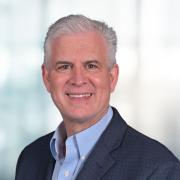
Joel L. Young, MD, is the medical director and founder of the Rochester Center for Behavioral Medicine (RCBM) in Rochester Hills, Michigan. RCBM is comprised of more than 100 professionals, including psychiatrists, advanced practice prescribers, and therapists.
Dr. Young trained at the University of Michigan Hospitals and serves as Clinical Associate Professor of Psychiatry at the Wayne State University School of Medicine. He is certified in general, geriatric, forensic, and adolescent psychiatry.
Dr. Young has been primary investigator in over 100 clinical trials. He is the author of four books and several publications, and he writes a well-trafficked blog for Psychology Today.
- Understanding and Treating Chronic Fatigue: A Practical Guide for Patients, Families, and Practitioners
- When Your Adult Child Breaks Your Heart: Coping with Mental Illness, Substance Abuse, and the Problems That Tear Families Apart
- ADHD Grown Up: A Guide to Adolescent and Adult ADHD
- Contemporary Guide to Adult ADHD
Dr. Young is dedicated to improving access to mental health care and outcomes. In this pursuit, he founded MindMetrix, a digital mental health assessment platform. In addition, he is the Chief Medical Officer of MedaData, a startup initiative that facilitates psychiatric research with real-world datasets.
Current patients can reach Dr. Young at jyoung@rcbm.net
Joel L. Young, MD, Medical Director and Founder
Dr. Young attended the College of Literature, Science, and the Arts at the University of Michigan in Ann Arbor. He graduated with high distinction, majoring in history. In 1989, Dr. Young graduated from Wayne State University School of Medicine. He completed his residency (1989-1993) at the University of Michigan Hospitals, where in his final year he served as chief resident of adult services.
Dr. Young came to Rochester in 1993 and served as the first director of psychiatric emergency services at Crittenton Hospital. While building RCBM, he also served as Crittenton's chief of psychiatry staff.
In addition to his patient care responsibilities, Dr. Young is the Chief Medical Officer of the Clinical Trials Group at the Rochester Center for Behavioral Medicine. The clinic participates in several national clinical trials at any given time, usually involving ADHD, depression, bipolar disorder, eating disorders, or dementia.
Dr. Young's primary clinical interest involves treating attention-deficit hyperactivity disorder through the life cycle. He also specializes in treatment-resistant depression. He has researched and published on chronic fatigue syndrome and fibromyalgia. Dr. Young oversees all treatment at the Rochester Center for Behavioral Medicine. He is committed to educating patients and mental health providers. He has delivered hundreds of lectures, locally and nationwide, on his specialties.
He is also the Clinical Associate Professor in the Department of Family Medicine and Public Health Sciences. Every year, WSU's family medicine residents complete their psychiatric rotations at RCBM. Dr. Young's career is dedicated to mental health, and he is featured in the article "School of Medicine News—Wayne State University" along with featured as one of the Notable Alumni for the incredible impact he has made since graduating from the WSU School of Medicine.
In addition to providing clinical care, conducting research, and teaching, Dr. Young collaborates with the NFL and MLB to evaluate professional athletes who require psychiatric assessment.
Joel L. Young, MD,
Medical Director | Chief Medical Officer
Clinical Associate Professor of Psychiatry
View Dr. Young's CV here.
The Joel L. Young, MD Award for Excellence in Psychiatry
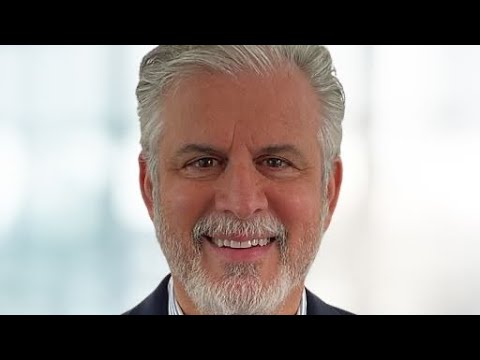
Hear from Dr. Young
Featured Psychology Today Articles
-
From a Sliver of the DSM to the Whole Patient
Psychiatry relies too heavily on limited screeners. Expanding assessment reveals the full patient picture, improving diagnostic clarity, treatment precision, and outcomes. -
Rethinking the First-Visit Prescription
Behavioral health often expects prescribing at the first visit, but slowing down to prioritize assessment, context, and clinician autonomy may lead to more precise care. -
The Future of Telehealth
Telehealth flexibilities may now extend through 2025, giving providers relief and time to rethink hybrid care. It’s time to move beyond the “good vs bad” debate. -
Why Your Provider May Be Using AI for Documentation
AI in mental health helps with charting, easing paperwork so providers can focus on patients. It should support care but never replace the human connection. -
5 Facts You Probably Don’t Know About PTSD
PTSD is common, treatable, and often misunderstood. Awareness, support, and the right care can change lives.