As children progress through growth and development, they are often faced with challenges of coping, adapting, and relating to others and the world around them. Children differ from adults in the way they experience and respond to physical, mental, and emotional situations.
Learn MoreAdolescents face a greater risk of mental health conditions when their living situation is inconsistent, stigmatization or bullying occurs, along with social and environmental issues that impact their ability to manage day to day situations.
Learn MoreAdults are presented with many life challenges including marriage, child bearing and rearing, divorce, medical illness, work, social stress, and caring for aging parents. Middle aged adults, particularly women, begin going through body changes that occur naturally with age.
Learn MoreAmong the older adult population, many mental health concerns go undiagnosed. Older adults may experience chronic physical health conditions, memory problems and cognitive decline along with isolation and loneliness.
Learn More
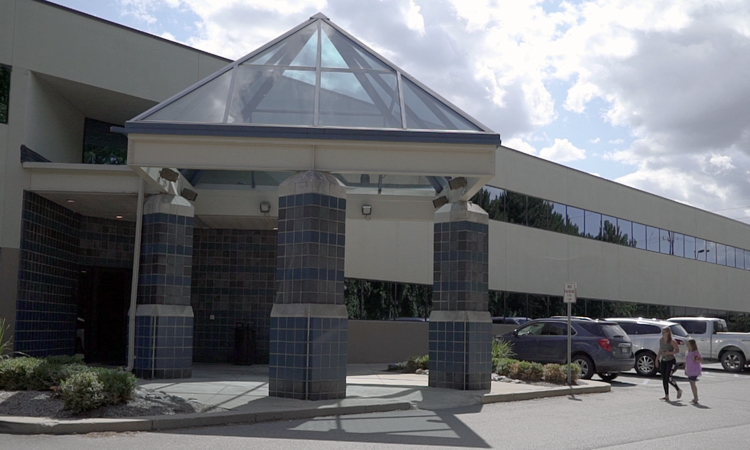
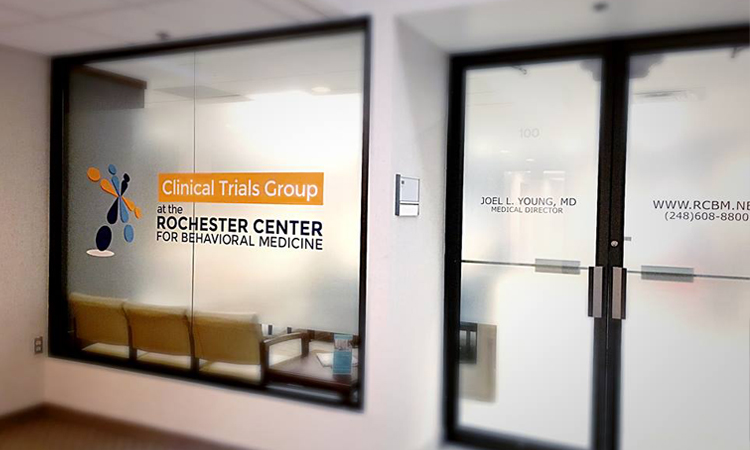
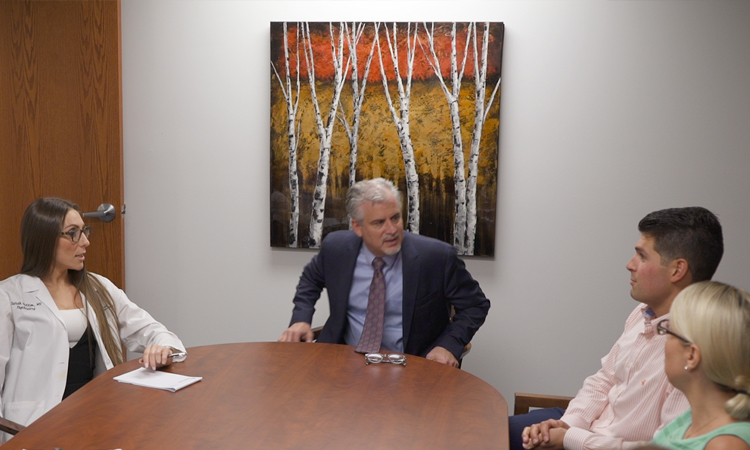
The Rochester Center for Behavioral Medicine (RCBM) is an outpatient behavioral health clinic dedicated to improving our patients' quality of life experience. RCBM brings together a comprehensive treatment team with various clinical backgrounds and specialties. Working together, we combine the treatment modalities of psychotherapy with medication and nutrition management to alleviate suffering and help people lead happier, more productive lives.
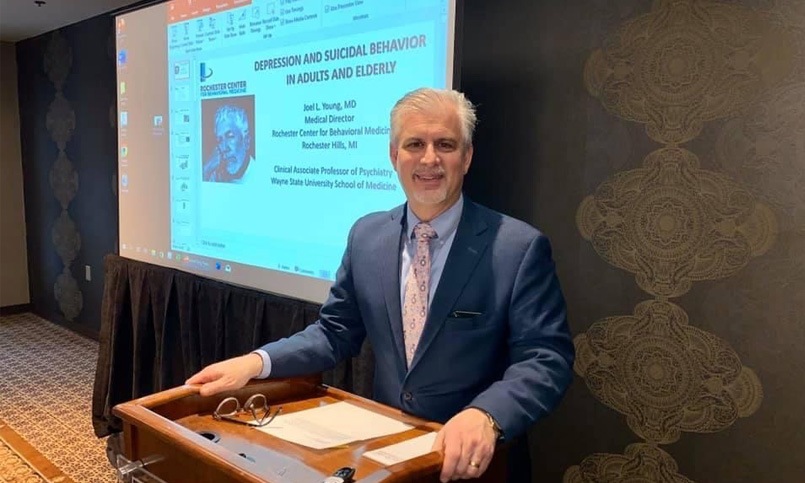
Under the medical leadership of Joel L. Young, MD, RCBM is a leader in diagnosing and treating ADHD. RCBM also offers a variety of services to children, adolescents, adults, and seniors, including treatment of ADHD and learning disabilities; depression, bipolar disorder, and other mood and anxiety disorders; work-related concerns; family and marital issues; substance abuse and eating disorders; and weight management. With both in-person and virtual options available, we can see patients from across the state of Michigan, from Lake Huron to Lake Michigan and Down River to the Upper Peninsula.
The Medabolic Program offers a collaborative approach to weight management, integrating the services of our prescribers, therapists, and registered dietitians.
Learn MoreThe Rochester Center for Behavioral Medicine is pleased to offer SPRAVATO® (esketamine) for treatment resistant depression (TRD) and major depressive disorder with suicidal thoughts or actions.
Learn MoreTranscranial Magnetic Stimulation (TMS) is an innovative treatment that offers new hope for people living with depression or OCD. Designed for individuals who haven’t found relief with medication alone, TMS is a non-invasive therapy that targets the root of depression.
Learn More